Hachioji for Solo Travelers: Safe, Quiet & Authentic
Mt. Takao isn’t just a scenic hiking destination near Tokyo; it’s a place where nature and spirituality have coexisted for centuries. Because of Japan’s ancient mountain worship traditions known as “Shugendo,” Takao’s forests and other nature have been carefully protected and revered long before the concept of “sustainability” ever existed. The mountain is home to Yakuo-in Temple, where monks still practice centuries-old rituals, and visitors can experience the calm atmosphere that has drawn pilgrims for generations.
The charm of Hachioji lies in its quiet connection to culture and history rather than in surface-level sightseeing. Travelers can discover the ruins of Hachioji Castle, a peaceful forest site that once played a role in Japan’s feudal era, and local crafts that have stood the test of time. Among these is Tama-ori, or Hachioji Textiles, a traditional weaving art that remains a proud symbol of the city’s craftsmanship and sustainable heritage.
Together, Mt. Takao and Hachioji offer a more authentic side of Tokyo’s western edge. Whether you come for a mindful hike through ancient cedar forests, a glimpse into Edo-period traditions, or simply a slower pace of travel, this area rewards curiosity and reflection in equal measure.
What are Good Outdoor Activities?

As we said, Takao is a mountain where nature and spirituality have coexisted for centuries. Shugendō) has been practiced devoutly and has resulted in a profound culture surrounding this mountain, and many others throughout the nation. For those who truly love outdoors, this will be an absolutely astonishing experience as the passion and care towards nature are unmatched.
For a tranquil hiking experience, skip the busy main trail and try one of the quieter routes such as Trail 6 or the Inariyama Course. These paths wind through cedar forests and streams, offering a calm, meditative atmosphere perfect for solo travelers.
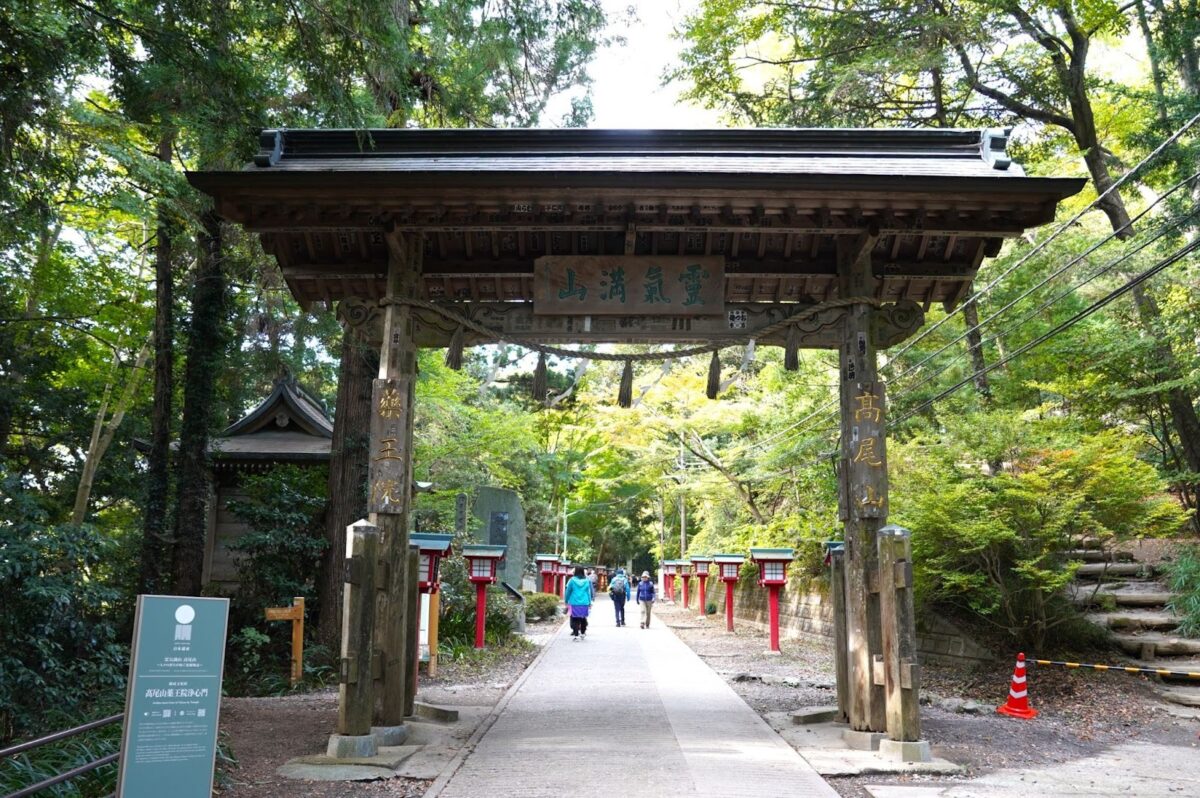

Nestled near the summit, Yakuo-in Temple offers a profound spiritual experience. Visitors can observe monks performing daily prayers, which typically occur at specific times. This experience is truly an immersive, spiritual one that will surely be a highlight of your Mt. Takao adventure. Buddhist monks chant and burn gomagi (prayer sticks), this is available to spectate. This sensation you can feel here is great for those seeking inner peace; a great opportunity for solo travelers.

For those seeking a deeper connection, participation in takigyō, or waterfall meditation, is available. This centuries-old practice involves standing under a waterfall to purify the mind and body, often performed during warmer months under the guidance of experienced monks. It requires a certain level of physical and mental preparation. As it surely seems, it’s an incredible experience and thus not one done on a whim; it’s only offered 3 days a month and requires a reservation. An even rarer experience is copying buddhist sutras which is offered only once a month.
Details for all these experiences offered by Yakuo-in temple can be found on their official website. If you are interested in joining any of the experiences, make sure to check it out before you travel.
How can you Experience Local History?

Hachioji Castle Ruins: Beyond Mt. Takao, Hachioji offers a captivating glimpse into Japan’s turbulent feudal past. Just a short, scenic bus ride from Takao Station, the Hachioji Castle Ruins present one of the most atmospheric and historically resonant walks near Tokyo. This once-formidable samurai fortress, strategically perched in the mountains, played a pivotal role during the tumultuous Warring States era, meeting its tragic end in a devastating siege in 1590: a battle that marked a significant turning point in the unification of Japan.
Today, the site is a testament to the passage of time and the enduring power of nature. Walls made of large stones and foundations are now intertwined with ancient forest paths, creating a deeply reflective space. The serene environment, with sunlight filtering through the canopy and the gentle sounds of the forest, stands in stark contrast to the fierce battles it once witnessed, offering a poignant sense of peace.
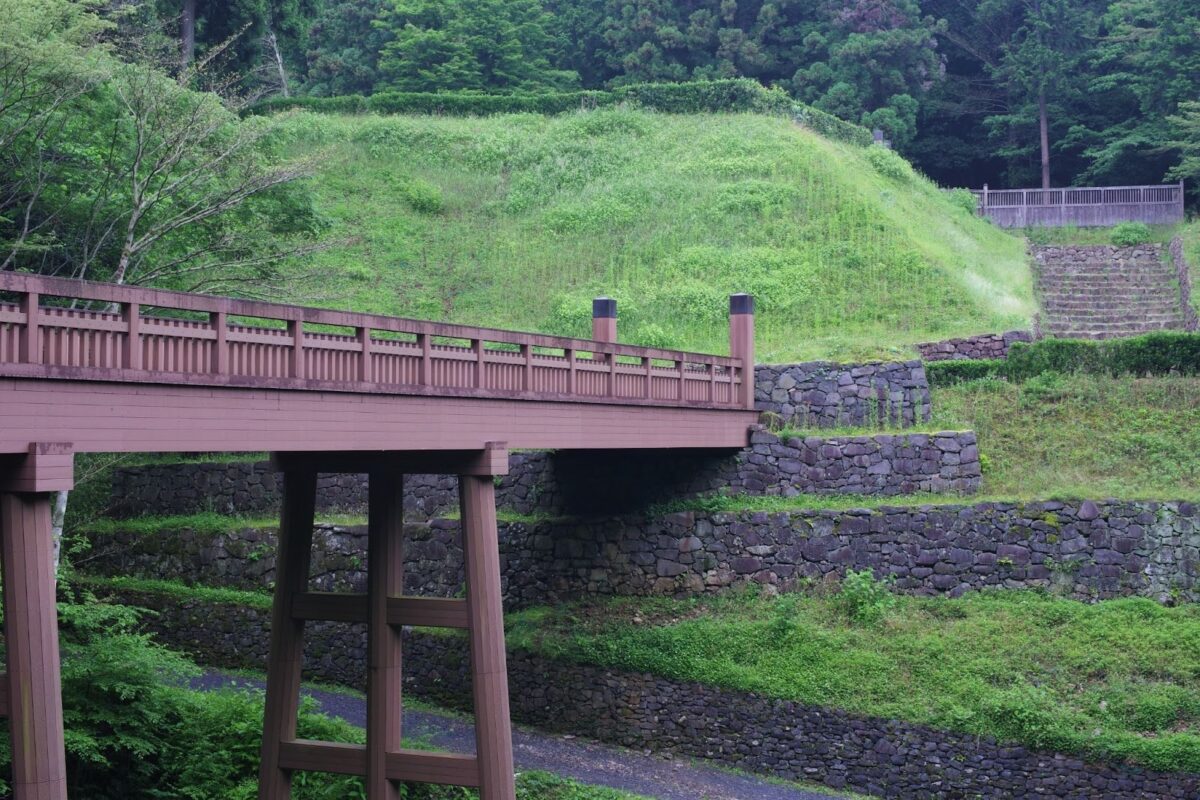
The Hachioji Castle Ruins are an ideal destination for solo explorers or anyone seeking a deeper connection with history away from the crowds. Its peaceful trails allow for a truly immersive and deeply moving experience. The Site of Hachioji Castle Guidance Facility located nearby further enriches the journey by providing crucial historical context about the castle’s construction.
Tama-ori: Mt. Takao and Hachioji are bound together by a story that weaves spirituality, sustainability, and craftsmanship into the fabric of everyday life. Recognized as a Japan Heritage site, this region tells the tale of “Reikimanzan Takao-san,” a sacred mountain where nature and human devotion have coexisted for centuries. Long before “eco-tourism” became a buzzword, monks at Yakuo-in Temple protected Takao’s forests as part of their spiritual practice, seeing every tree, stream, and stone as sacred. Their reverence for nature laid the foundation for a deep respect for environmental harmony that still defines the area today.

Just beyond the mountain trails, the city of Hachioji once flourished as a center for silk production, earning the nickname “Soto,” or the Silk City. The art of Tama-ori weaving was born here, blending beauty with sustainability as artisans used natural dyes and handwoven techniques that minimized waste. This craftsmanship yielded elegant textiles and even connected the people of Hachioji to their environment, reflecting a lifestyle rooted in patience, respect, and balance with nature.
For solo travelers with an eco-conscious mindset, exploring this connection between the sacred mountain and the sustainable city offers a journey that’s both reflective and responsible. From walking through ancient forests that inspired centuries of spiritual practice to visiting workshops where traditional silk weaving still thrives, Hachioji and Mt. Takao invites visitors to slow down, learn, and appreciate how faith, craft, and conservation have shaped a quietly resilient corner of Tokyo.

What are Some Interactive ways to Experience Tradition?
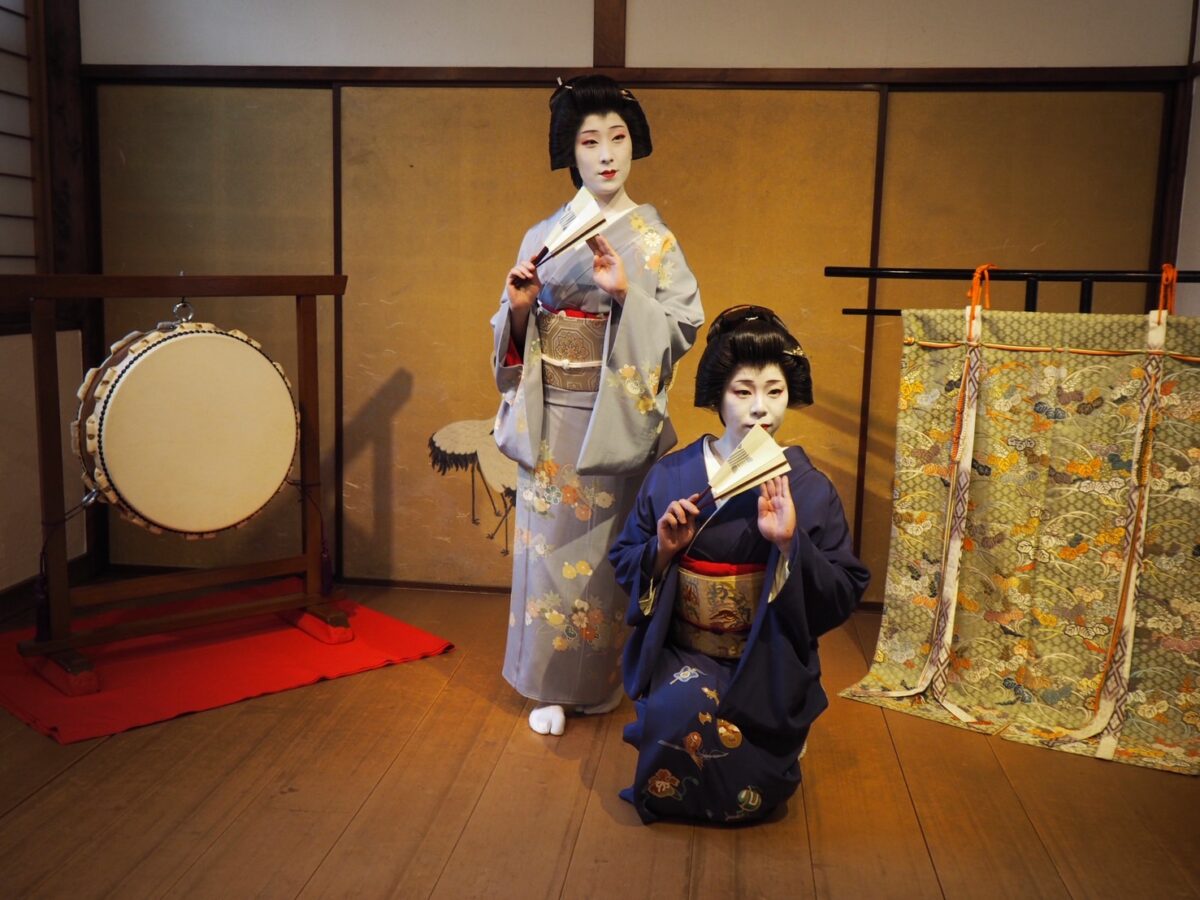
For a different side of Hachioji’s living heritage, attend a Geisha performance at a local ryotei (traditional restaurant). These performances, featuring graceful dance and refined etiquette, are smaller and more personal than those in Kyoto, offering a glimpse into a quietly preserved world of Japanese artistry.
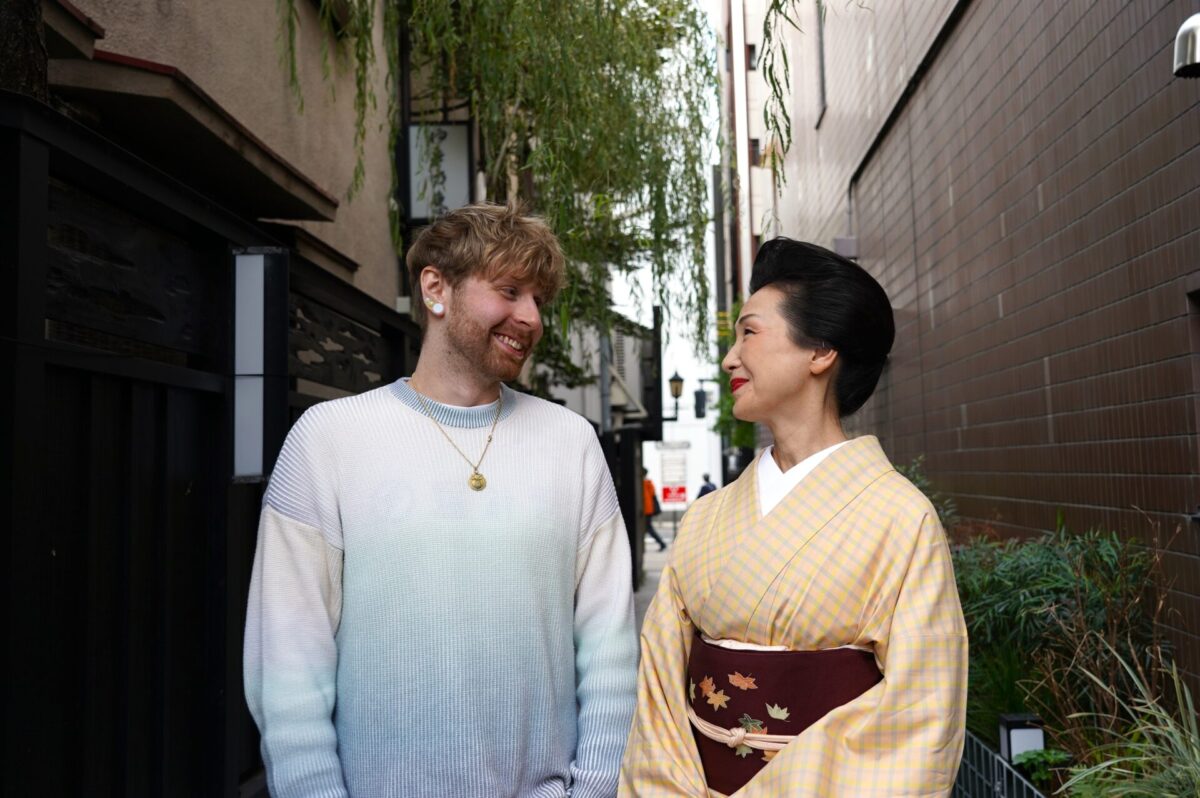
We were lucky enough to interview a local geisha, Megumi-san, who is highly regarded in the area and the owner of the okiya where women go to train to become geisha. As a geisha with over four decades of experience, she kindly offered profound insights into the evolving world of geisha, particularly in Hachioji.
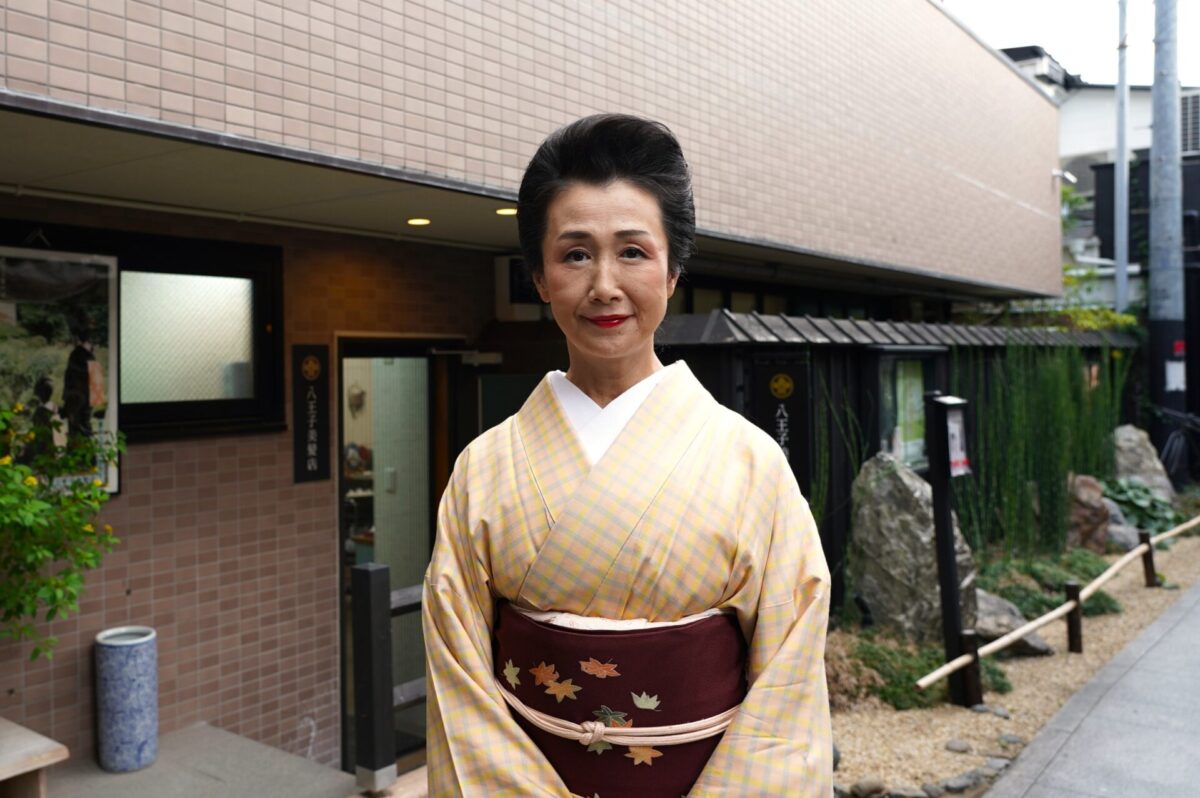
Beyond maintaining the traditional arts of dance and music, she also actively supports the preservation of associated traditional skills that are crucial for geisha attire and presentation. She notes a particular concern for the local beauty salon she owns (Hachioji-Bihatsuten) where specialists in this traditional skill are dwindling, raising fears that the salon might not be able to continue operating.
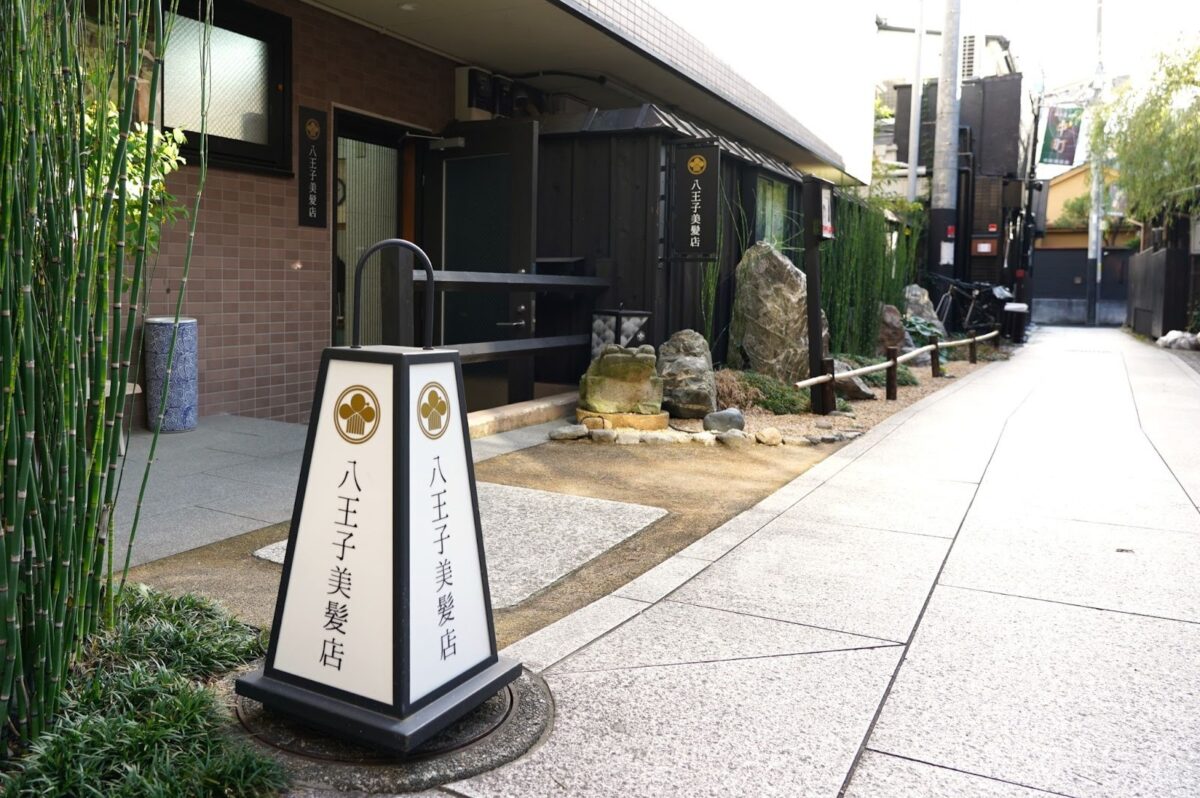
For geisha, relying on these specialized skills for their work, the continuation of such establishments is vital. By supporting this salon’s preservation, Megumi-san aims to ensure the skill’s survival, pass down its techniques to future generations, and maintain the ability for geisha to continue their traditional work.
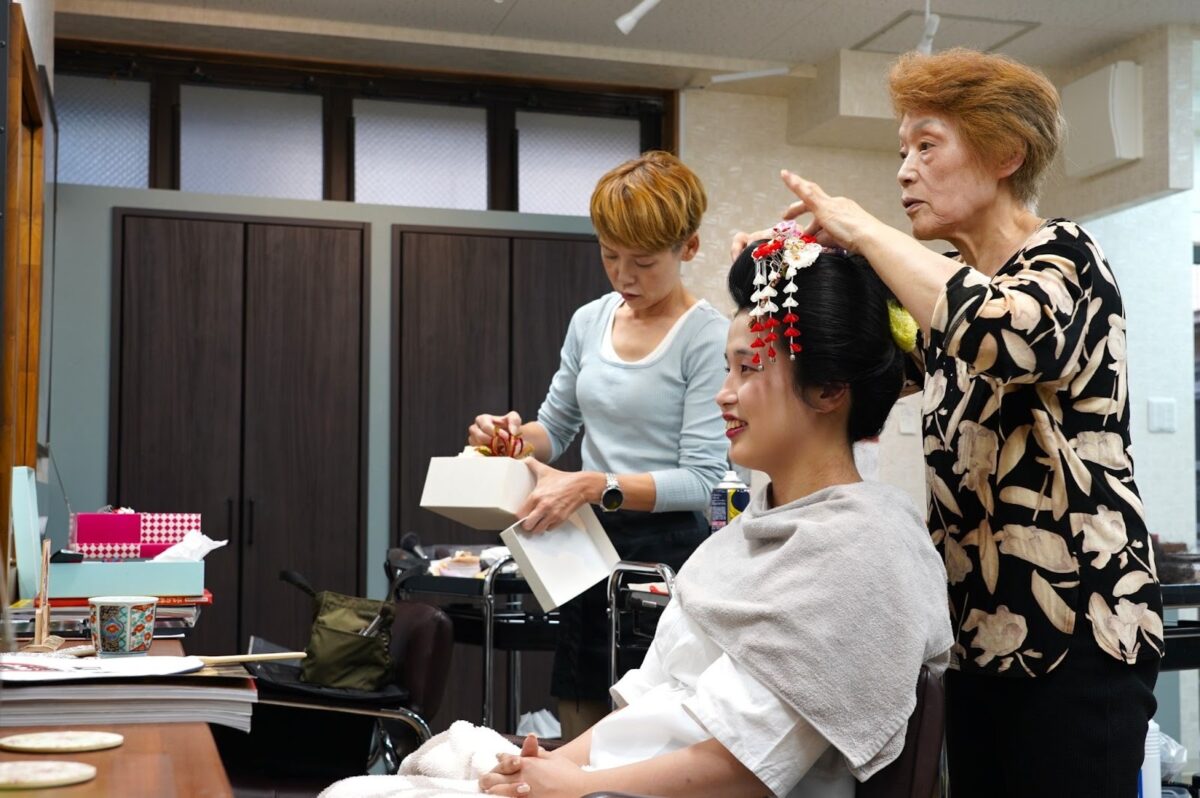
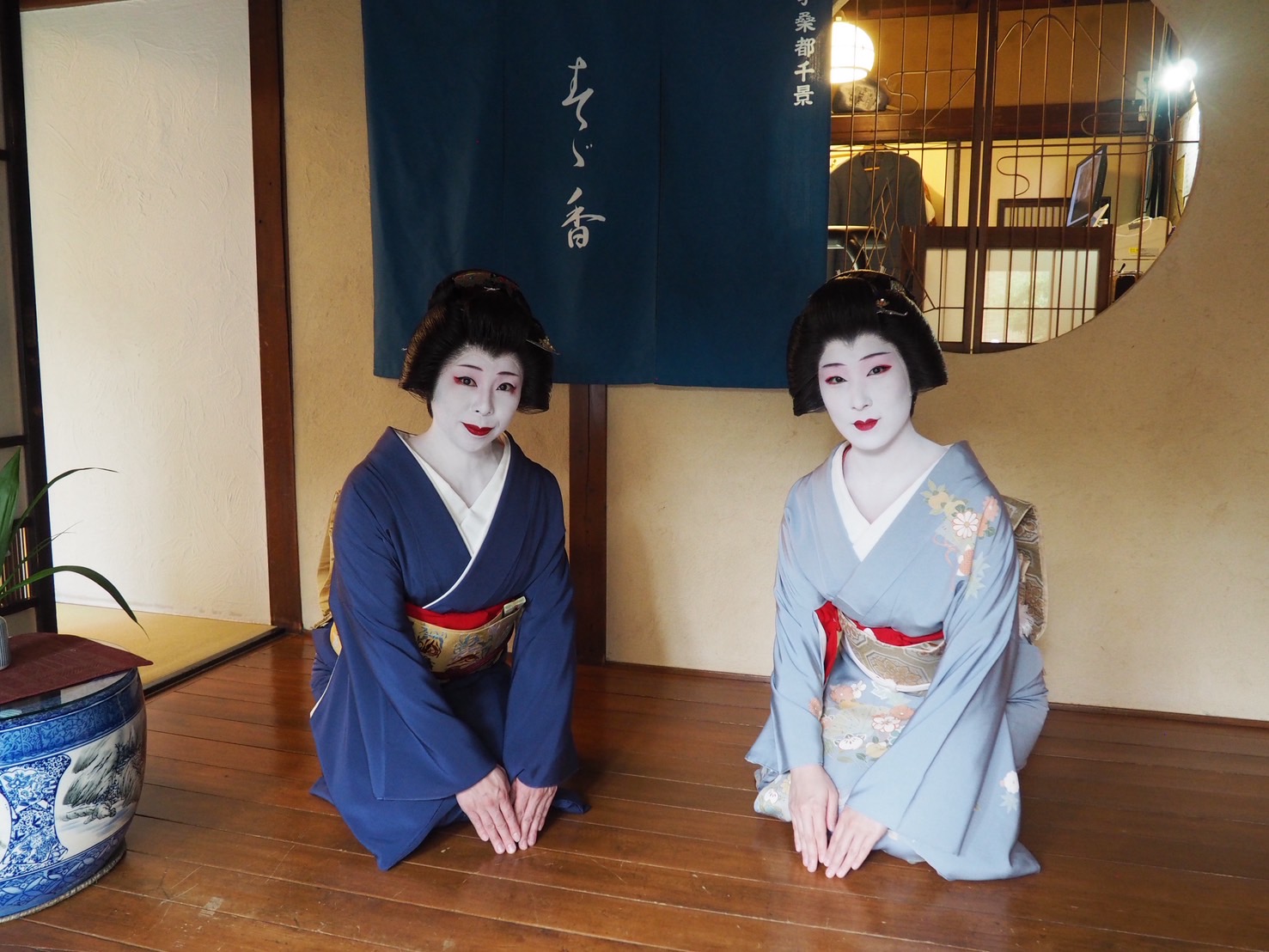
The salon is certainly no typical one. The level of abilities performed by the staff are extremely high, as you can see by this woman dressing up as a maiko (apprentice geisha) using official hairdressing techniques and an authentic kimono.
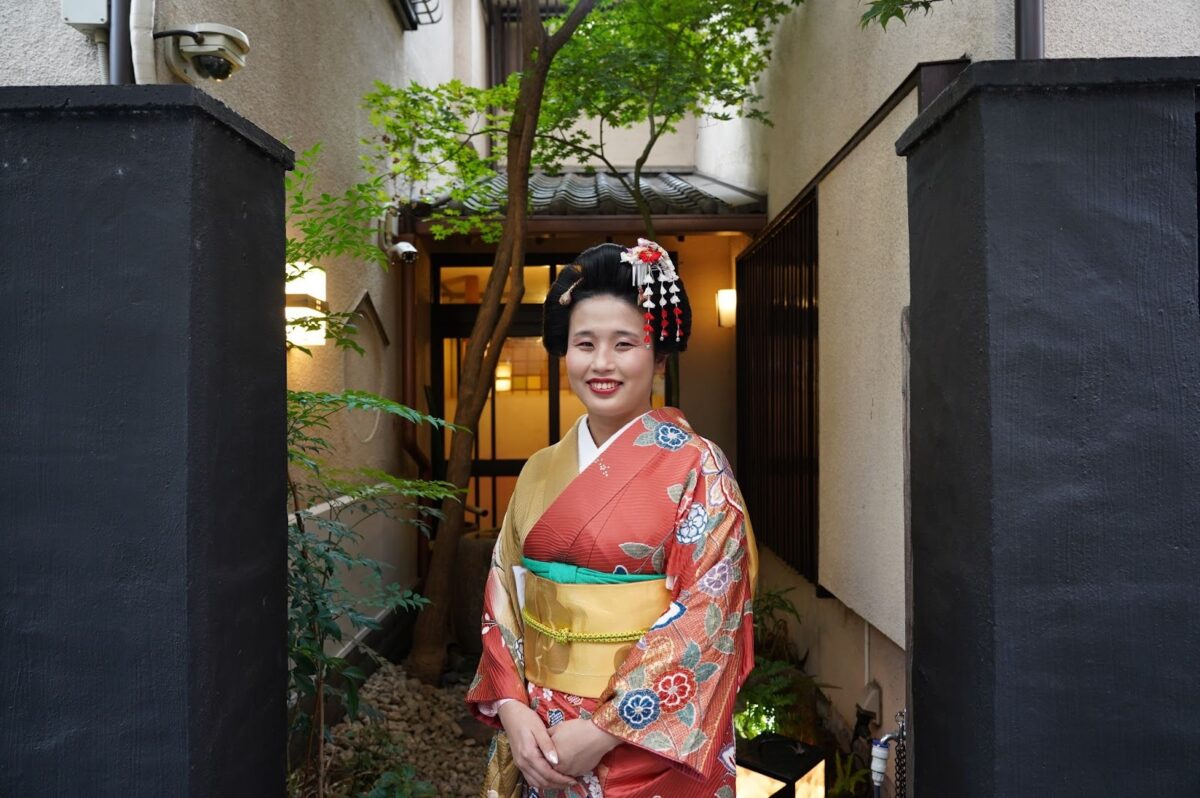
Starting her career in her early twenties, she defied traditional lineage, emphasizing that Hachioji’s geisha culture is uniquely community-focused, historically tied to the local silk textile industry, and has grown more open over time. Today, geisha come from diverse backgrounds, moving beyond traditional families. Megumi-san views her role as preserving cultural traditions, highlighting the beauty of Japanese women’s culture through kimono, hairstyles, and customs. She actively supports maintaining traditional skills, associated with geisha, aiming to pass them down to future generations. Ultimately, she sees geisha as ambassadors of Japanese cultural elegance.
What Should you try Eating here?
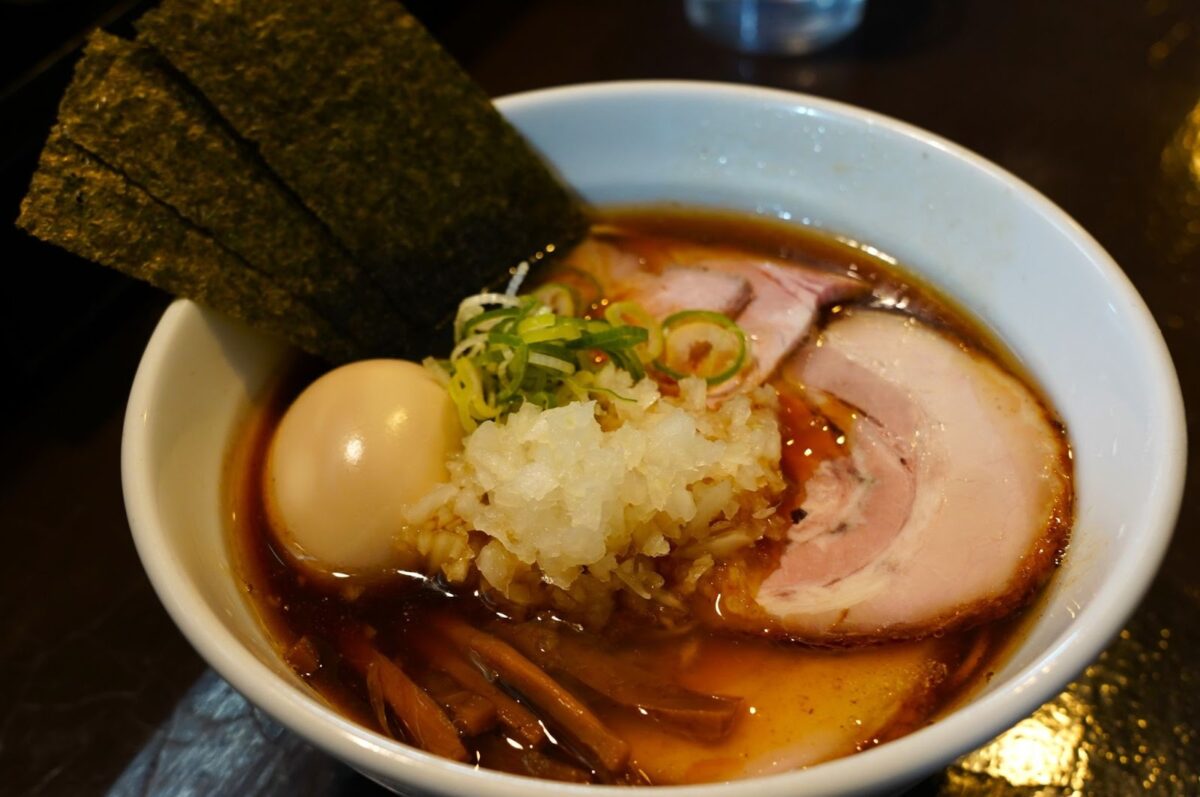
Hachioji Ramen: For a truly local and satisfying culinary experience, Hachioji Ramen is a must-try. This beloved regional style features a comforting soy sauce-based broth, thin noodles, and a unique touch of diced onions that lend a subtle, surprising sweetness. It’s an affordable and deeply satisfying meal, perfect after a day of exploring.
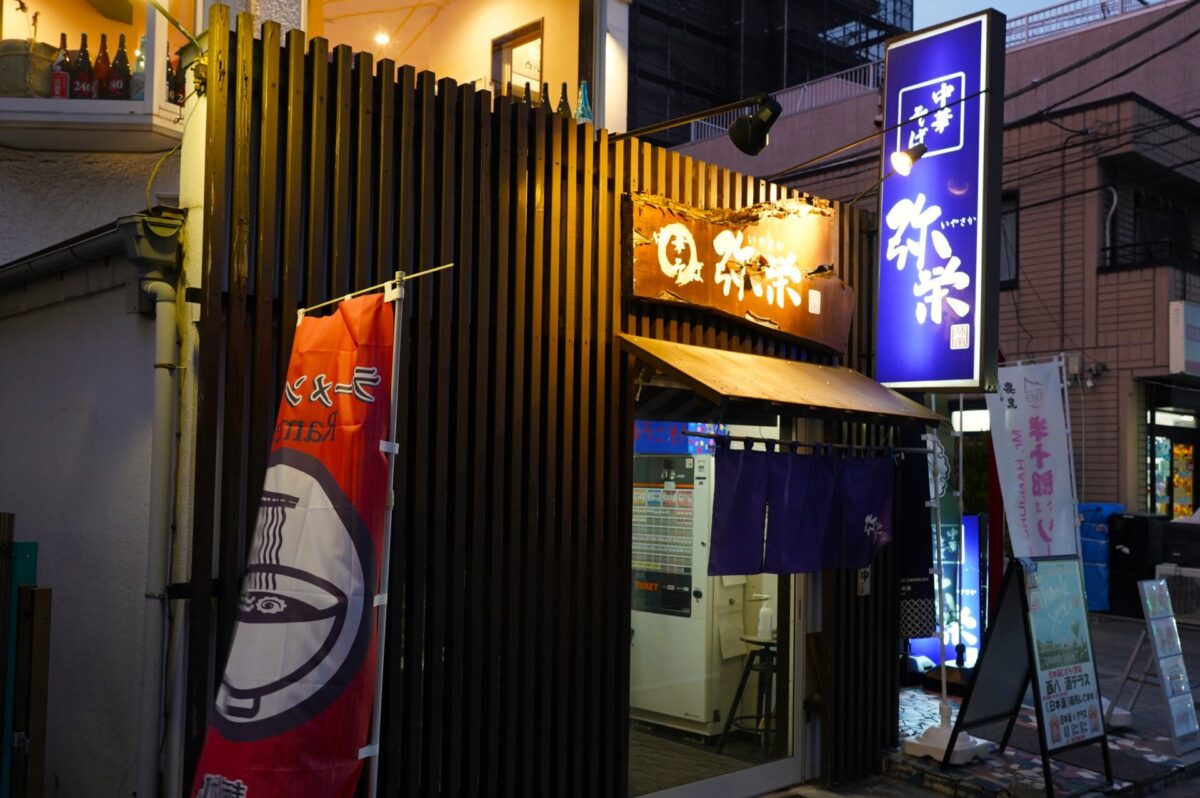
Among the best places to savor this specialty is Yaei Ramen. They elevate the classic Hachioji ramen with an exceptionally deep yet remarkably light and easy-to-savor broth. Accompanied by perfectly soft-boiled eggs and impeccably cooked chashu, the simplicity of the dish is brought to perfection, offering a delightful and relaxing culinary experience that truly embodies the essence of Hachioji’s ramen scene.

Pankatsu: A nostalgic, local street food-like dish, perfect for travelers enjoying a solo trip wanting a quick, unique snack. This pork cutlet-style item, deliciously crisp and pan-fried, is typically found as a side menu item at old-fashioned okonomiyaki shops.

Kato-san, a passionate advocate for Hachioji’s unique culture and owner of a local clothes store, shared that pankatsu is his childhood favorite, and a local specialty he’s actively working to preserve and promote.
Pankatsu is said to have originated in Hachioji. It is said it was created by a chef from Hachioji who was working in Asakusa at the time and later introduced it to his hometown. During the postwar food shortage, it was made as a substitute for meat, with bread used as the coating and fried in special lard. It became a beloved snack among local children, cherished for its simple and comforting flavor.
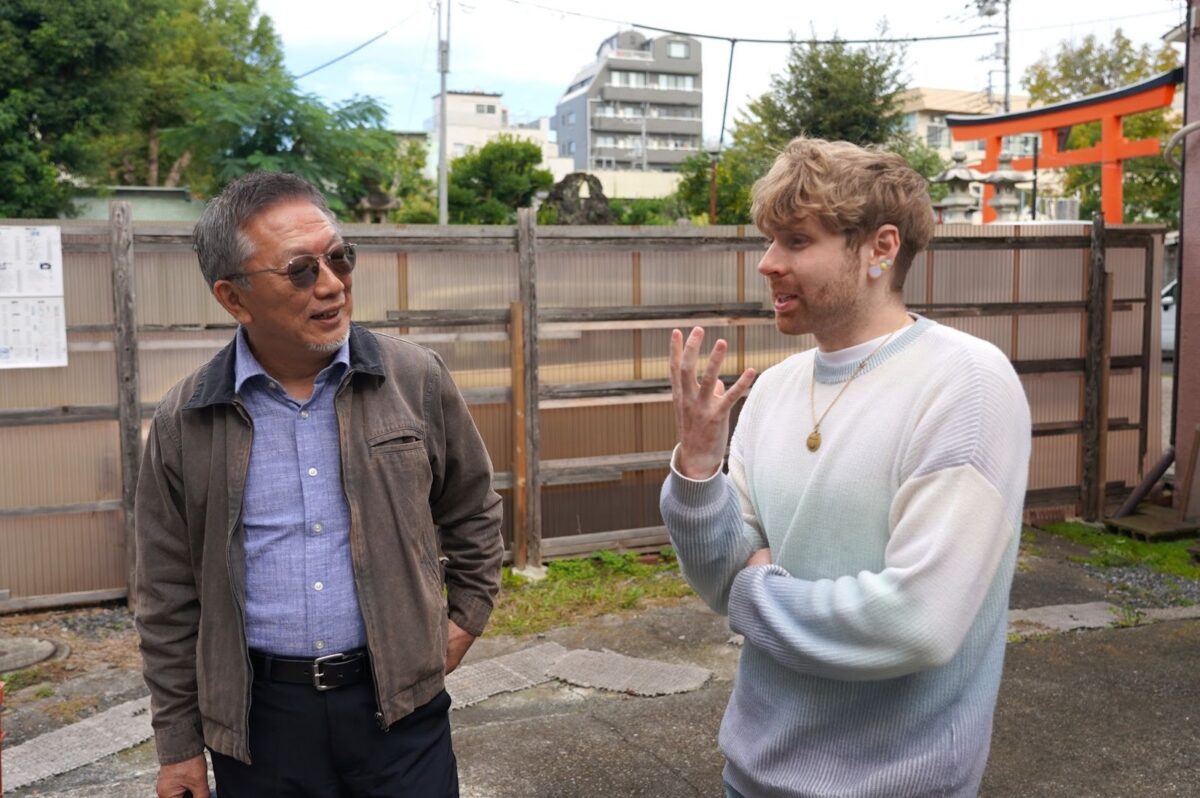
Today, only four shops in Hachioji still make pankatsu, solidifying its status as a true local specialty. Kato-san serves as the chairman of the “Pan-Katsu Association” which is a driving force behind its preservation. This diverse group, including university professors, TV producers, and musicians, is all dedicated to promoting this unique dish. One of the primary shops, Yamato (大和), is run by an older family whose children now manage the business. Yamato operates on weekends from 5 PM to 10 PM.
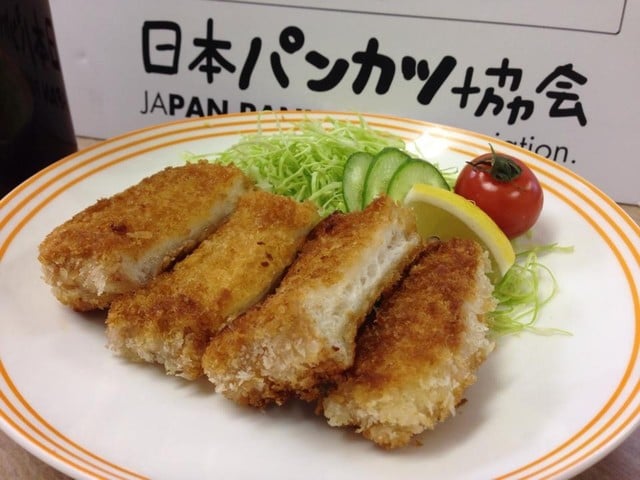
Beyond pankatsu, Kato-san is deeply involved in various local cultural projects. He not only runs the Pankatsu Association, but also helps organize local events and cultural initiatives, all with the aim of preserving and promoting Hachioji’s rich food culture and broader heritage. His family’s deep roots in the textile industry further connect him to the city’s history.
What are Some Day Trips from Hachioji?
Using Hachioji as your base makes it easy to escape Tokyo and dive into the region’s nature and culture. From Hachioji, Mt. Fuji is within easy reach, making it an ideal choice for a full-day adventure. Buses connect directly to Kawaguchiko and the Mt. Fuji 5th Station, where travelers can admire the vast volcanic landscape, visit Komitake Shrine, or take short scenic walks without committing to a full climb. For lunch, local Hoto noodles are a must have: thick, hand-cut udon simmered in miso broth offer the perfect comforting meal. The nearby Fuji Five Lakes area invites leisurely exploration by foot or bicycle, with Lake Kawaguchiko and Lake Motosuko offering especially iconic views of Mt. Fuji’s reflection on calm water.

Whether you’re chasing scenic hikes, cultural discovery, or peaceful solitude, Hachioji makes an ideal base for solo travelers seeking balance and variety. Its mix of accessible nature, relaxing onsen, traditional dining, and easy transport connections to Mt. Fuji allows for a rich two-day escape without the chaos of central Tokyo. For detailed itineraries and travel tips, see the full guide here.
Where is a Good Place to Stay?
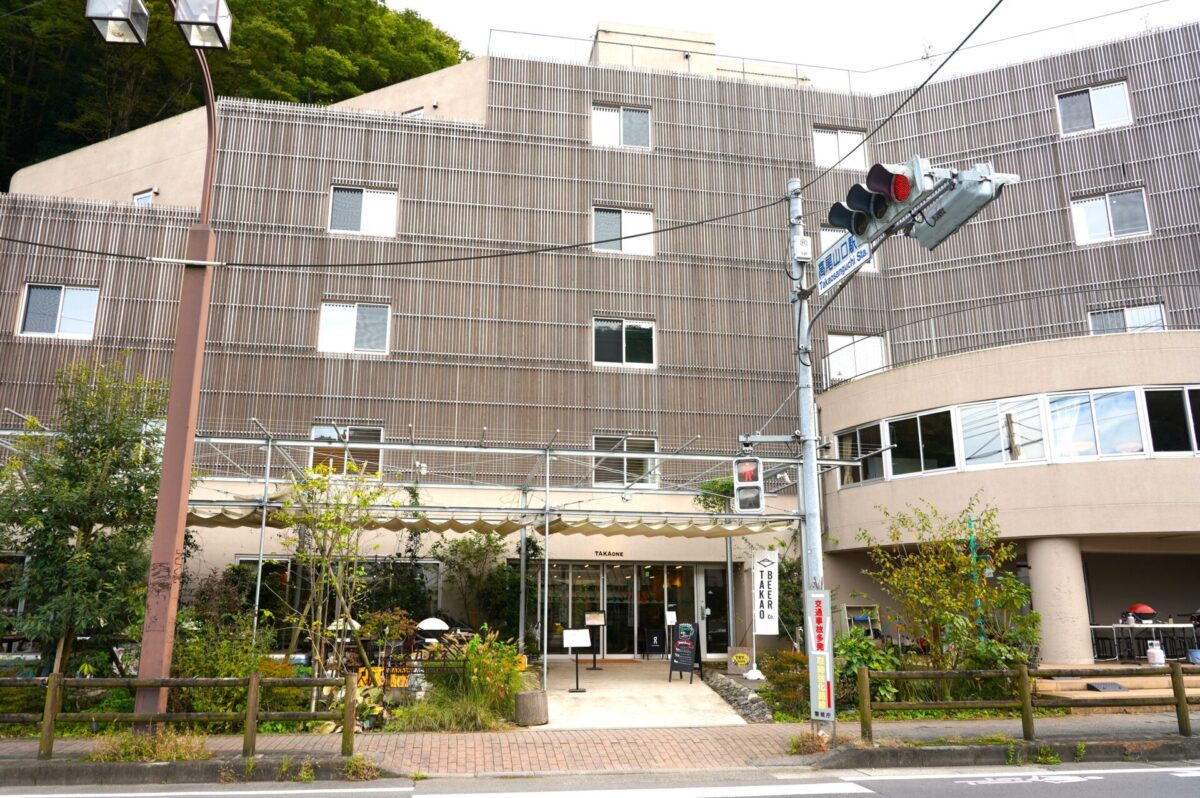
Takaone, located just steps from Takaosanguchi Station at the base of Mt. Takao, is a stylish, activity-focused hotel designed for travelers who want more than just a place to sleep. Opened in 2021, it blends modern comfort with a love for nature: rooms are minimalist and TV-free to encourage relaxation or outdoor adventure instead. Guests can enjoy cozy common spaces with fire pits, a rooftop terrace, and an on-site café serving healthy meals and local coffee. It’s also possible to rent hiking shoes, making it perfect for spontaneous solo hikers or those packing light.

Takone is great for those who like to travel light as they offer rental shoes for hiking Mt. Takao. While Mt. Takao offers ways to get to the summit that don’t really require advanced gear, there are some more challenging routes that would be a lot easier and safer to attempt with a proper setup. Besides, it’s included in your stay! So why not hike in comfort?
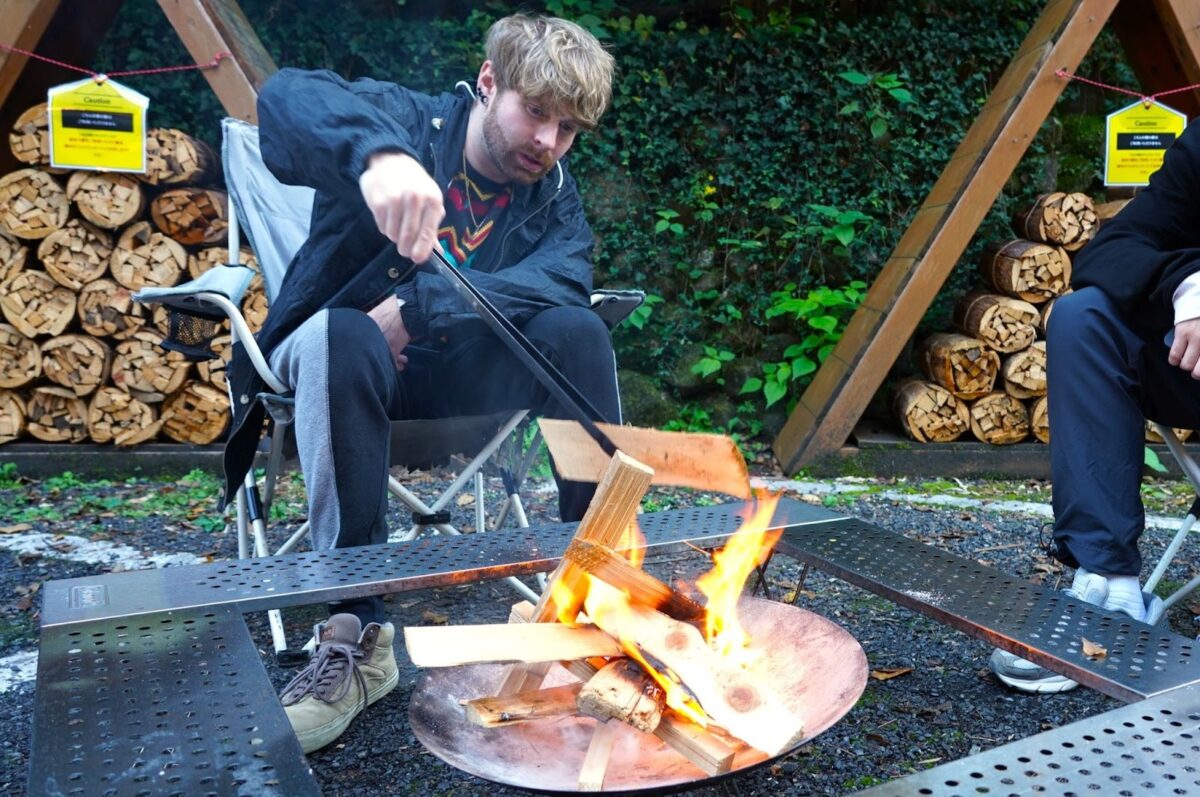
Prices range from around ¥6,050 to ¥16,980 per night, with breakfast and even a bundle of firewood included. The Standard Rooms are ideal for solo travelers; compact yet comfortable, and during off-peak seasons like late winter or early spring, you can usually snag a great deal. Autumn, when Mt. Takao’s foliage is at its most beautiful, is the busiest period so early booking is a must.
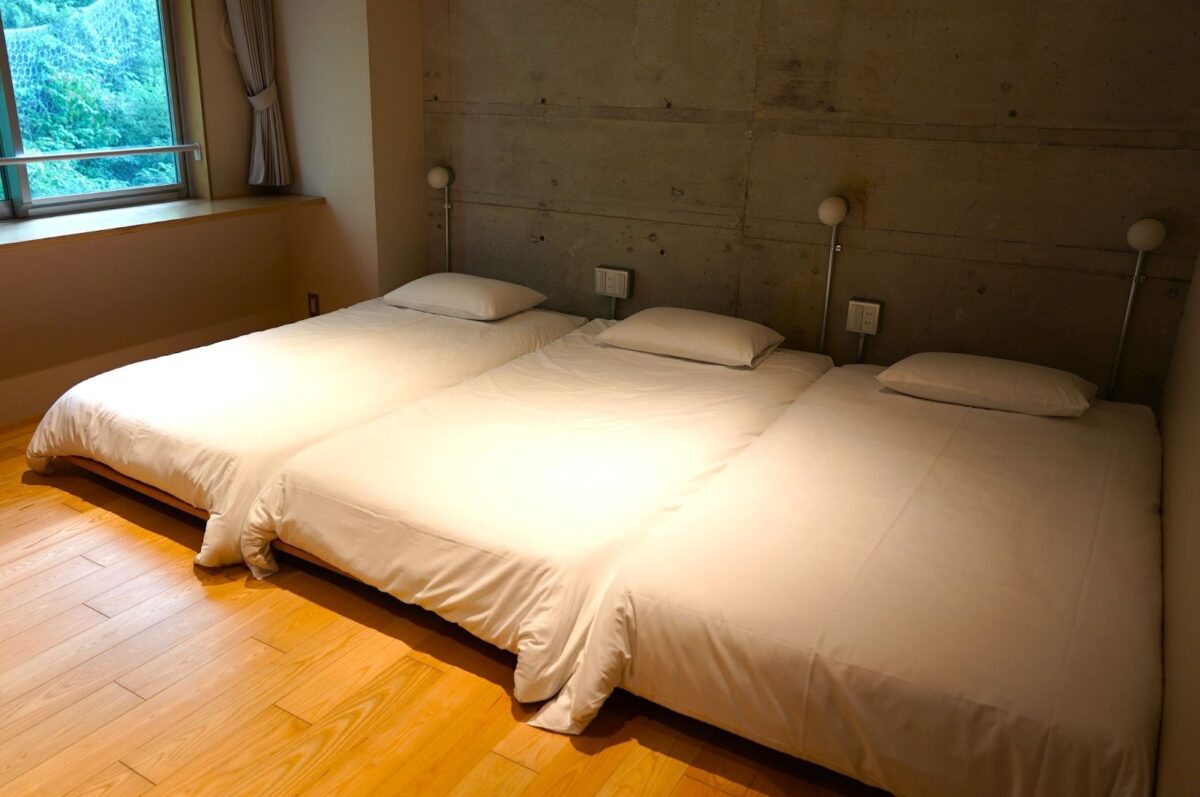
For solo travelers looking for an authentic, quiet, and creative stay near Tokyo, Takaone strikes the perfect balance: it’s relaxing yet adventurous, affordable yet thoughtfully designed. Whether you’re hiking, working remotely for a day, or just unwinding by the fire, it offers a refreshing break from the city without sacrificing convenience. Learn more here!
So, You’ve Already Started Planning your Solo Adventure here, Right?
Hachioji offers a deeply enriching experience for solo travelers, blending sustainable cultural practices, tranquil natural landscapes, and authentic local flavors. Distinguishing itself from bustling tourist hotspots, Hachioji provides a quiet connection to nature and tradition, evident in its sacred mountain trails, intricate ancient crafts, and delectable local cuisine. The unhurried atmosphere fosters peace, allowing solo travelers to immerse themselves in the local way of life. Conveniently located just an hour from Tokyo, it’s a perfect escape for an authentic Japanese experience without the usual crowds. Hachioji presents a rare opportunity to discover the true essence of Japan, offering a sanctuary where tradition and nature harmoniously coexist. This makes it an ideal destination for solo adventurers seeking tranquility and genuine cultural immersion.
For more detailed information on Hachioji, please visit the Hachioji Convention and Visitors Association’s official website. The site expands on details we mentioned in this article, and even offers some that we just didn’t have room for above!
This project is supported by Tokyo Convention & Visitors Bureau.
Related Articles
Agen Togel Terpercaya
Bandar Togel
Sabung Ayam Online
Berita Terkini
Artikel Terbaru
Berita Terbaru
Penerbangan
Berita Politik
Berita Politik
Software
Software Download
Download Aplikasi
Berita Terkini
News
Jasa PBN
Jasa Artikel
News
Breaking News
Berita