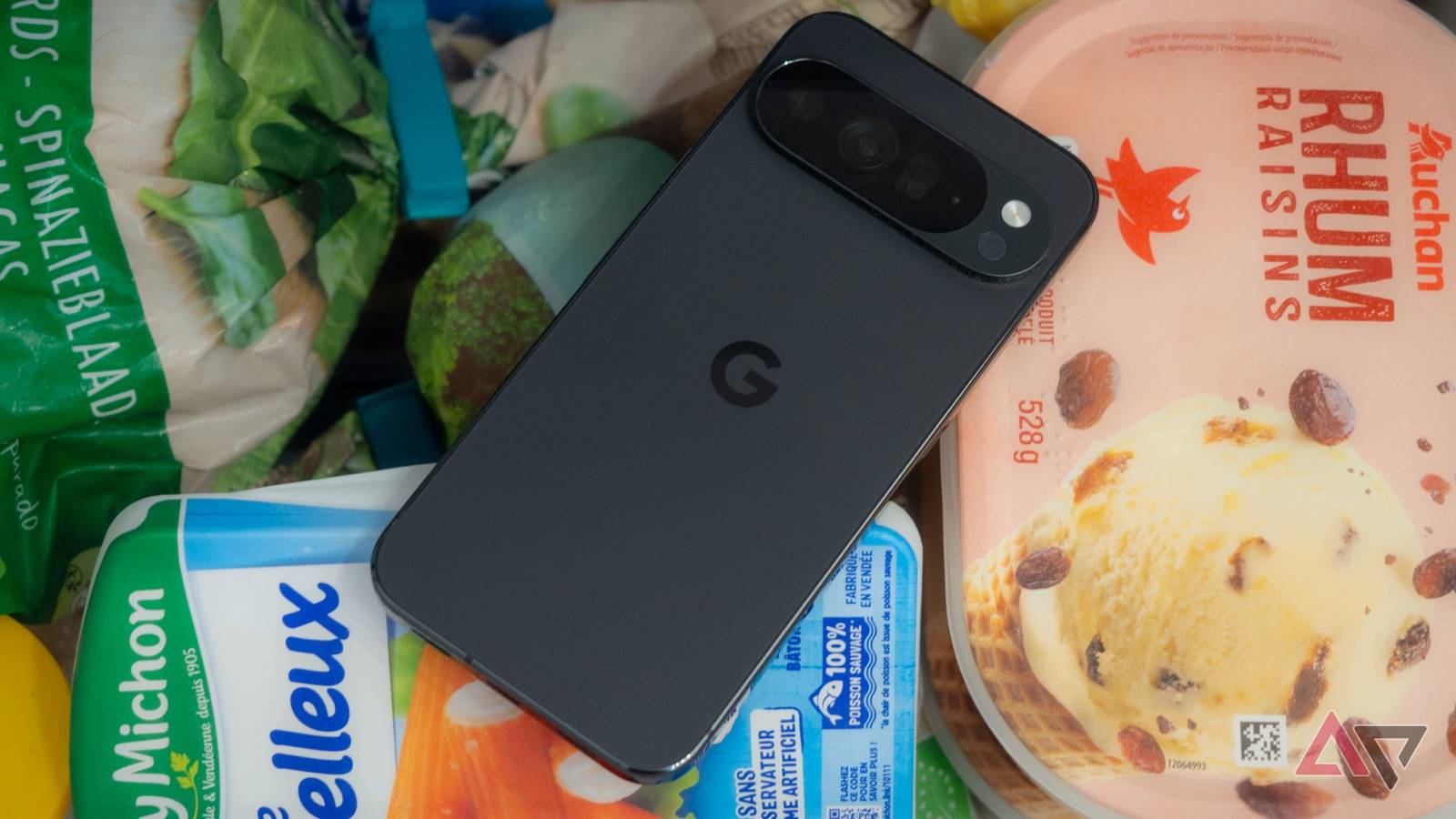
Google recently rolled out the September Pixel Drop, introducing an updated Pixel VIPs widget, scam warnings via Gboard, new Harry Potter themes, and more. It’s been a few weeks since the update landed on Pixel phones, and we’re starting to see reports of serious issues after the recent Pixel Drop.
A Pixel 6 Pro user on Reddit claims the recent update has severely impacted a key accessibility feature like voice-to-text, with words seemingly taking up to 6 seconds to appear on the screen. More crucially, the affected person says they’re also seeing error messages related to an unstable network, even with full signal coverage.
A quick look at the comments suggests this user isn’t alone. A couple of Pixel 8 owners have reported similar problems, while we’re also seeing one Pixel 10 Pro XL user facing connectivity issues since the September Pixel Drop landed.
For what it’s worth, my Pixel 6a hasn’t shown any major issues since the recent update. Similarly, multiple other Pixel users in the Reddit thread report no issues with their devices after the Pixel Drop.
Not the only issue impacting Pixel phones after the September Pixel Drop
Separately, another Reddit thread from a few days ago details the experiences of a Pixel 8 owner facing lag while using apps. Similar to the more recent complaint we discussed above, several Pixel phone owners appear to be facing the same issue.
But as one user noted in the comments, clearing the System UI app’s cache can help reduce UI lag. To do this, head over to Settings > Apps > All Apps, and tap the three-dot menu at the top right. If system apps are hidden, this menu will show a “Show system” option.
When system apps are visible, search for the System UI app and clear its cache/storage. You may need to reboot the device for the changes to take effect. Alternatively, users can also try clearing the cache and storage of specific apps that are lagging after the mid-September update.
Because these glitches don’t affect every Pixel device, it’s hard to pinpoint the cause. But considering the volume of complaints we’re seeing right now, we hope Google won’t take too long to respond.
PakarPBN
A Private Blog Network (PBN) is a collection of websites that are controlled by a single individual or organization and used primarily to build backlinks to a “money site” in order to influence its ranking in search engines such as Google. The core idea behind a PBN is based on the importance of backlinks in Google’s ranking algorithm. Since Google views backlinks as signals of authority and trust, some website owners attempt to artificially create these signals through a controlled network of sites.
In a typical PBN setup, the owner acquires expired or aged domains that already have existing authority, backlinks, and history. These domains are rebuilt with new content and hosted separately, often using different IP addresses, hosting providers, themes, and ownership details to make them appear unrelated. Within the content published on these sites, links are strategically placed that point to the main website the owner wants to rank higher. By doing this, the owner attempts to pass link equity (also known as “link juice”) from the PBN sites to the target website.
The purpose of a PBN is to give the impression that the target website is naturally earning links from multiple independent sources. If done effectively, this can temporarily improve keyword rankings, increase organic visibility, and drive more traffic from search results.
